Tampilkan postingan dengan label Novel Reseach. Tampilkan semua postingan

Rabu, 09 Mei 2012

ADVERSE DRUG REACTION CASE REPORTS IN ELDERS

Ciprofloxacin Delirium and myoclonus in an elderly patient: case report
An 85 year old man received oral ciprofloxacin 500mg daily for an infected right hip joint. On the seventh day he experienced generalized myoclonic jerks, hallucination and delirium which improved with a small dose of clonazepam. Ciprofloxacin was permanently withdrawn after his symptoms recurred twice following re-administration. No further episodes of delirium myoclonic jerks occurred.
Jayathissa S. Eet al. Myoclonus and delirium associated with ciprofloxacin. Age and Ageing 39: 762, No. 6, Nov 2010.

Metformin Lactic acidiosis and vision loss in an elderly patient: case report 
A 67 year old woman developed lactic acidiosis and transient vision loss during treatment with metformin for type 2 diabetes mellitus. The woman, who had a history of coronary disease, hypertension and osteoarthritis, and who had been receiving metformin (dosage, route and duration of treatment not stated), presented to an emergency department with acute bilateral vision loss. Her vision loss had started the previous afternoon. Examination revealed a rectal temperature of 32.3o, a HR 55 beats/min, a BP of 117/94mm Hg, a respiratory rate of 34 breaths/min and a pulse oximeter reading of 98%. She was awake and alert but her visual acuity and fields were not intact and she had mid-sized pupils that were slow to react. Laboratory tests showed a pH OF 6.65 and a lactate level of 10.9mmol/L. Her creatinine level was 7.0 mg/dL from a baseline of 1.3 mg/dL and her serum metformin concentration was 28 microgram/mL. She also had hyperkalaemia with a potassium level of 7.1mmol/L. The woman was treated with calcium gluconate, insulin and glucose for hyperkalaemia and sodium bicarbonate for her metabolic acidiosis. Following a lack of response, emergency haemodialysis was initiated. Her vision returned 10 hours after admission with an acuity of 20/30 bilaterally. Her blood pH increased to 7.48, her hypothermia resolved and her laboratory values normalized. She was discharged without metformin therapy. Author comment: ‘’This patient’s metabolic acidiosis resulted from long-term metformin use in the setting of an elevated creatinine, which ultimately caused decreased excretion of the drug. Her presenting complaint was vision loss’’.
Kreshak AA, et al. Transient vision loss in a patient with metformin-associated lactic acidiosis. American Journal of Emergency Medicines 28: 1059e5-1059e7, No.9, Nov 2010.

Corticosteroids/methotrexate Kaposi’s sarcoma in an elderly patient: case report
A 65-year old man developed kaposi’s sarcoma with colonic and skin lesions, following treatment with methotrexate and corticosteroids, including prednisone for ulcerative colitis(UC).
Following a diagnosis of left sided UC and spondyloarthropathy in November 1993, immunomodulatory therapy with mercaptopurine and azathioprine was initiated; treatment was subsequently withdrawn due to gastrointestinal intolerance. In June 2001, methotrexate (dosage and route not stated) was introduced but was suspended in November 2007 to prevent potential drug-related toxicities; prednisone 5mg/day (route not stated) was administered continuously throughout this period. In August 2008, he was admitted for IV steroid therapy (details not stated) following an acute disease episode. During admission he developed violaceous reddish-brown nodules on both legs (time to reaction onset not clearly stated). Investigation revealed active UC with multiple reddish elevated lesions in the last 25cm of the colon, and thickening of the rectum and sigmoid colon walls. Skin histology showed a small, non-encapsulated dermal lesion composed of dilated, irregular and spiculated blood vessels, lined by few prominent endothelial cells; lymphocytes and macrophages comprised an associated infiltrate. Immunohistochemistry with CD34 and CD31 were positive; staining for human herpes virus 8 (HHV-8) showed moderate and focal nuclear positivity. Colonic kaposi’s sarcoma was the preliminary diagnosis. Anti-HHV-8 serology demonstrated an IgG antibody titre of 1/40. A protocolectomy was performed, confirming the presence of multiple nodular lesions of the sigmoid colon and rectum. Labelling for HHV-8 was positive. Multifocal kaposi’s sarcoma of the colon was the final diagnosis. The man’s skin lesions resolved after surgery and steroid withdrawal. At 12 months follow-up, he had no symptoms and no recurrence of skin lesions.
Rodriguez-Pelaez M, et al. kaposi’s sarcoma: An opportunistic infection by human herpesvirus-8 in ulcerative colitis. Journal of Crohn’s and colitis 4: 586-590, No.5, Nov 2010.

Influenza virus vaccine/influenza A virus vaccine H1N1 Guillain-Barre syndrome in an elderly patient: case report
A 75 year old man, with severe chronic obstructive pulmonary disease and dyspnoea, was hospitalized with worsening dyspnoea, cough and purulent expectoration. He reported a progressive debility in his lower limbs for the past week. Neurological examinations revealed grade 4/5 debility in his lower limbs and loss of osteotendinous reflexes. He had received a seasonal influenza virus vaccine 8 weeks earlier and an influenza A viral vaccine, H1N1 vaccine 2 weeks before the onset of the symptoms (route and doses not stated ). A lumber puncture and an electromyogram revealed albumino-cytological dissociation and acute demyelinating neuropathy affecting his lower limbs, respectively. Guillain-Barre syndrome secondary to influenza vaccine was suspected. He received immunoglobulins and rehabilitation. The weakness in his extremities and his respiratory process improved markedly; he was discharged and monitored. Author comment: There was casual effect between the vaccinations and Guillain-Barre syndrome, although it was not possible to determine which of the two was supposed to be responsible, whether it was the result of a sum of probabilities or a cumulative effect of antigen stimulation. Nieto ML, et al. Gullain-Barre syndrome secondary to H1N1 influenza vaccine.
Revista Clinica Espanola 210: 485-486, No. 9, Oct 2010.
by
Akshaya Srikanth
Pharm.D Resident
Hyderabad, India

Senin, 07 Mei 2012

HEART DISEASE PASSES FROM FATHER TO SON

Coronary artery disease, which kills tens of thousands each year, may be passed genetically from father to son, according to a new study.
The study, led by the University of Leicester, shows that the Y chromosome - a part of DNA only present in men - plays a role in the inheritance of the disease.
Coronary artery disease involves the narrowing of blood vessels delivering blood to the heart, and can lead to angina symptoms, such as constriction of the chest, and heart attacks.
Scientists analysed DNA from over 3,000 men enrolled in a heart health study and found that 90 per cent of British Y chromosomes belong to one of two major groups.  
The risk of coronary artery disease among men who carry a Y chromosome in one of the two groups is 50 per cent higher than for other men, and is independent of traditional risk factors such as high cholesterol, high blood pressure and smoking.  
The researchers believe the increased risk is down to the specific group's influence on the immune system and inflammation.  
Principal investigator Dr Maciej Tomaszewski said:
“We are very excited about these findings as they put the Y chromosome on the map of genetic susceptibility to coronary artery disease. We wish to further analyse the human Y chromosome to find specific genes and variants that drive this association.
“The major novelty of these findings is that the human Y chromosome appears to play a role in the cardiovascular system beyond its traditionally perceived determination of male sex.
Dr Hélène Wilson, research advisor at the British Heart Foundation (BHF), which was the main funder of the study, said:
“Lifestyle choices such as poor diet and smoking are major causes, but inherited factors carried in DNA are also part of the picture.
"The next step is to identify specifically which genes are responsible and how they might increase heart attack risk."
“This discovery could help lead to new treatments for heart disease in men, or tests that could tell men if they are at particularly high risk of a heart attack.
The study is published in The Lancet in February 2012 . LINK: LANCET
by
AKSHAYA SRIKANTH
Pharm.D Resident
Hyderabad, India

Rabu, 18 April 2012

How Serotonin Reuptake Inhibitors Work: Understanding More Fundamental Mechanisms of Action

By stimulating microRNA miR-16 in the midline serotonergic raphe, fluoxetine initiates signaling cascades that lead to hippocampal neurogenesis.
Several lines of evidence suggest that in adults, antidepressant therapies enhance neurogenesis in the hippocampus, but how this process occurs has been unclear. These researchers studied the effects of fluoxetine in mice and in humans. They worked out several pathways that begin with the stimulation by fluoxetine of the microRNA miR-16 in serotonergic neurons in raphe and ultimately result in hippocampal neurogenesis.
In a series of experiments in mice, fluoxetine activated raphe miR-16, which decreased raphe levels of the serotonin reuptake transporter (SERT). In turn, these events directly caused brain-derived neurotropic factor (BDNF) and two other signaling molecules to act on the hippocampus. Indirectly, the same events resulted in release of another protein from the raphe nuclei, S100β, which in turn stimulated the locus coeruleus to induce SERT and secrete serotonin. Both the direct and indirect pathways caused decreases in hippocampal miR-16, which sequentially led to increases in both hippocampal SERT and the bcl-2 protein (which promotes neurotrophic function), which in turn stimulated neurogenesis. In nine patients with major depression, 12-week fluoxetine treatment increased levels of the three signaling molecules in cerebrospinal fluid. The interventions were accompanied by improvements in several mouse models of depression, as well as in the patients.
My Comment: These findings draw together several seemingly unconnected lines of research. The authors identify miR-16 as a "missing link" between serotonin reuptake inhibitor treatment and hippocampal neurogenesis and as a "micromanager" of the intervening changes in the raphe nucleus, locus coeruleus, serotonin receptor transporter, serotonin secretion, and hippocampal neurogenesis. The processes appear to work through the cooperative and integrated activities of several signaling molecules. Further clarification of these pathways may help refine therapeutic strategies for depressive disorders.
by
Akshaya Srikanth
Pharm.D Internee
KADAPA, A.P
India

Selasa, 03 April 2012

Risk for Fatal Adverse Events Linked With Certain Cancer Drugs


Vascular endothelial growth factor (VEGF) is an important mechanism for the growth of solid tumors, and inhibition of VEGF receptors has emerged as a major pathway to treat cancer. The authors of the current study perform a review of tumors approved for treatment by the US Food and Drug Administration with sorafenib, sunitinib, or pazopanib. These tumors include renal cell cancer, hepatocellular carcinoma, and gastrointestinal stromal tumor.
A previous meta-analysis of the anti-VEGF monoclonal antibody bevacizumab demonstrated that this therapy was associated with a 33% increase in the risk for fatal adverse events vs traditional chemotherapy alone. The current meta-analysis by Choueiri and colleagues queries the risk for fatal adverse events associated with VEGF receptor tyrosine kinase inhibitors (VEGFR TKIs) from clinical trials of patients with cancer.
STUDY SYNOPSIS AND PERSPECTIVE
The risk for fatal adverse events associated with several targeted cancer drugs have come from a large meta-analysis of clinical trials, which was published on February 6 in
the 
Journal of Clinical Oncology
The drugs investigated were pazopanib (Votrient, GlaxoSmithKline), which is approved for use in renal cell carcinoma; sorafenib (Nexavar, Bayer & Onyx), which is approved for use in renal cell carcinoma and hepatocellular cancer; and sunitinib (Sutent, Pfizer), which is approved for use in renal cell carcinoma and gastrointestinal stromal tumors. All 3 products are VEGFR TKIs.
The meta-analysis, which examined data on 4679 patients from 10 clinical trials, found that these 3 drugs were associated with fatal adverse events at a rate that was about twice that seen in the placebo groups. The crude incidence of fatal adverse events was 1.5% in patients taking these drugs, compared with 0.7% in patients in the placebo or control groups (relative risk [RR], 2.23; P = .023).
The most common cause of death was hemorrhage; the second most common was myocardial ischemia. Liver failure and congestive heart failure were also reported.
Senior author Toni Choueiri, MD, from the Dana-Farber Cancer Institute and Harvard Medical School, Boston, Massachusetts, said that clinicians need to be aware of the risks associated with these drugs.
"There is no doubt that for the average patient, these drugs have benefits," Dr. Choueiri said in a statement. In fact, these drugs represent a major step forward in the treatment of several malignancies, and they have led to significant improvements in patient outcomes.
However, they are associated with a significant increase in the risk of developing fatal drug-related events, and "practitioners must be aware of the risks associated with their use and must provide rigorous monitoring to continue to improve patient outcomes," the researchers note.
"While the absolute incidence of these fatal side effects is very small, the relative risks are higher," Dr. Choueiri noted. In addition, the patients in this meta-analysis were participating in clinical trials and all had adequate organ function at study entry, so the overall incidence and risk for unreported fatal adverse events could be higher in common medical practice.
Similar Data on Bevacizumab
An increase in the risk for fatal adverse events has also been reported for bevacizumab (Avastin, Genentech/Roche), which inhibits VEGF but by another mechanism; it is a monoclonal antibody that binds to VEGF. The data on bevacizumab, reported last year, came from a meta-analysis of clinical trials involving 10,217 patients, which found a significantly higher rate of fatal adverse events associated with bevacizumab than with chemotherapy alone (2.5% vs 1.7%; RR, 1.46; P = .01).
This increased risk and incidence of fatal adverse events reported for bevacizumab "are on the same scale" as those described in this meta-analysis looking at pazopanib, sorafenib, and sunitinib, note Dr. Choueiri and colleagues. In both cases, hemorrhage was the cause of death in the majority of patients.
When the bevacizumab data were published (JAMA. 2011;305;487-494), an accompanying editorial questioned the overall benefit of adding bevacizumab to chemotherapy (JAMA. 2011;305:506-508). Editorialist Daniel Hayes, MD, from the University of Michigan Comprehensive Cancer Center in Ann Arbor, speculated that the increased rate of fatal adverse events "might negate any survival benefit."
Medscape Medical News asked Dr. Hayes to comment on the findings of an increased rate of fatal adverse events with pazopanib, sorafenib, and sunitinib.
"I really don't have much to add. The data are as they are," he said. "All drugs have benefits and risks, and it is up to caregivers, patients, and society to decide if the benefits outweigh the risks."
"It seems like we sometimes throw out one or the other side of this equation when reviewing therapeutic strategies," Dr. Hayes explained. "Regardless, certainly one cannot determine the benefit/risk ratio if we don't have a legitimate estimate of the latter, so this is an important paper."
Breakdown of the New Findings
Of the 4679 patients in this meta-analysis, 2856 were involved in sorafenib clinical trials, 1388 were involved in sunitinib trials, and 435 were involved in pazopanib trials.
Although there were more fatal adverse events reported for sorafenib than for the other 2 drugs, there was no statistically significant difference in the RR for the 3 drugs, the researchers note. All 3 products have a similar mechanism of action (antagonizing the intracellular domain of VEGF and blocking downstream signaling), and all 3 drugs have similar class-effect toxicity profiles, they add.
Half of the 19 study deaths (47.5%) that occurred in patients taking pazopanib, sorafenib, or sunitinib were due to hemorrhage. The majority of these deaths from hemorrhage (79%) occurred in patients with non–small-cell lung cancer (NSCLC). This is not surprising, the researchers note, because NSCLC lesions are known to be highly necrotic and have a propensity to bleed, even without the inhibition of the VEGF pathway.
The second most common reason for death was myocardial ischemia (n = 6), the researchers note. Other causes were abnormal hepatic function or failure (n = 40), sepsis (n = 3), congestive heart failure (n = 2), ischemic stroke (n = 1), pulmonary embolism (n = 1), dehydration (n = 1), and sudden death (n = 1).
The findings of myocardial infarction and other cardiovascular events is consistent with previous analyses, the researchers note. Dr. Choueiri and colleagues have previously reported a significant increase in the risk for arterial thromboembolic events and in the risk for bleeding associated with sorafenib and sunitinib. They have also reported an increase in the risk for congestive heart failure with bevacizumab.
STUDY HIGHLIGHTS
  • The main study outcome was the relationship between treatment with VEGFR TKIs and incident fatal adverse events. Researchers compared results from trials that included a placebo vs an active treatment group, and they also examined the quality of included research.
  • Of 15 studies carefully reviewed for eligibility, 10 trials with a total of 4679 participants were included in the current meta-analysis. 6 of these studies focused on sorafenib, and 3 examined sunitinib. Only 1 study tested pazopanib.
  • In general, patients eligible for participation in the included research were free of other serious illness. Types of tumors included in the research were renal cell cancer, hepatocellular carcinoma, melanoma, NSCLC, breast cancer, and pancreatic neuroendocrine tumor.
  • Most studies were placebo controlled, and nearly all were double blinded. Overall, study quality was found to be very good, and there was no evidence of publication bias.
  • The rate of fatal adverse events ascribed to treatment with VEGFR TKIs was 1.5%. There was no significant difference between individual VEGFR TKIs in promoting fatal adverse events.
  • Hemorrhage was the most common cause of death in cases of fatal adverse events, accounting for 47.5% of all deaths in the meta-analysis. Myocardial infarction was the next most common cause of fatal adverse events, but it represented only 15% of all deaths.
  • The overall risk for fatal adverse events associated with treatment with VEGFR TKIs was 2.23 (95% confidence interval, 1.12 - 4.44). Again, the relative risk for fatal adverse events in comparing the 3 individual VEGFR TKIs was similar.
  • There was also no difference in comparing the risk for fatal adverse events associated with treatment with VEGFR TKIs among patients with renal cell cancer or other types of cancer.
  • VEGFR TKIs were associated with higher risks of fatal adverse events in placebo-controlled trials as well as in studies with an active comparator treatment.
My Conclusion:
The current study by Choueiri and colleagues suggests that the VEGFR TKI inhibitors sorafenib, sunitinib, and pazopanib can promote a higher rate of fatal adverse events among patients with cancer. This risk was similar in comparing individual VEGFR TKIs, and hemorrhage was the leading cause of death.
Source: JCO
by
Akshaya Srikanth
Pharm.D*
Hyderabad, India

Rabu, 28 Maret 2012

First ‘Heartless’ Man

First ‘Heartless’ Man: You Don’t Really Need A Heart, Or A Pulse
Two doctors Billy Cohn and Bud Frazier from the Texas Heart Institute successfully replaced a dying man’s heart with a device—proving that it is possible for your body to be kept alive without a heart, or a pulse. 


In the short film ‘Heart Stop Beating’ by Jeremiah Zagar of Focus Forward Films, Zagar documents the process of the doctors—from cutting out the whole heart of 50 calves and replacing it with centrifugal pumps, to finally implanting it into their patient Craig Lewis. 
The turbine-like device, that are simple whirling rotors, developed by the doctors does not beat like a heart, rather provides a ‘continuous flow’ like a garden hose. 
After the doctors experimented on one of the calves, Abigail, Doctor Cohn told NPR: "If you listened to her chest with a stethoscope, you wouldn't hear a heartbeat. If you examined her arteries, there's no pulse. If you hooked her up to an EKG, she'd be flat-lined." 
Craig Lewis was a 55-year-old, dying from amyloidosis, which causes a build-up of abnormal proteins. The proteins clog the organs so much that they stop working, according to NPR. 
But after the operation, with the ‘machine’ as his heart's replacement, Lewis’ blood continued to spin and move through his body. 
However, when doctors put a stethoscope to his chest, no heartbeat or pulse can be heard (only a ‘humming’ sound)—which “by all criteria that we conventionally use to analyze patients”, Doctor Cohn said, he is dead. 
This is proof that “human physiology can be supported without a pulse”


Source: TAXI News
by
Akshaya Srikanth
Pharm.D Intern
Hyderabad, India

Selasa, 27 Maret 2012

Guidelines for Oral Pharmacotherapy of Type 2 Diabetes

Diabetes mellitus is the seventh leading cause of death in the United States and affects 25.8 million Americans, with up to 27% of those 65 years and older being affected. In the United States, 11 distinct classes of oral antidiabetic agents are approved by the US Food and Drug Administration for the treatment of hyperglycemia in diabetes mellitus. There are 14% of patients with diabetes who currently take both oral agents and insulin and 58% who take oral medications only.
This report is based on a systematic review focused on head-to-head monotherapy and dual therapy. Combination therapies with more than 2 agents were not included in the review, and data on α-glucosidase inhibitors such as acarbose were excluded.
Metformin should be the initial drug for most patients with type 2 diabetes refractory to lifestyle modifications, with a second drug added if needed.
Specific recommendations in the new guidelines are:
Recommendation 1: When diet, exercise, weight loss, and other lifestyle modifications have not adequately improved hyperglycemia, clinicians should add oral pharmacologic therapy in patients with type 2 diabetes (grade: strong recommendation, high-quality evidence).
Recommendation 2: For most patients with type 2 diabetes, initial pharmacologic therapy should be monotherapy with metformin (grade: strong recommendation; high-quality evidence).
Recommendation 3: When lifestyle modifications and monotherapy with metformin fail to control hyperglycemia, clinicians should add a second drug to metformin (grade: strong recommendation; high-quality evidence).
Overall adverse effects were fewer with metformin than with sulfonylureas, and high-quality evidence showed that risk for dangerous levels of hypoglycemia was higher with sulfonylureas than with metformin or thiazolidinediones. In addition, the combination of metformin plus sulfonylureas is associated with 6-fold greater risk for hypoglycemia than the combination of metformin plus thiazolidinediones. When used as monotherapy, the risk for hypoglycemia with metformin and thiazolidinediones was similar, based on moderate-quality evidence.
Evidence was insufficient regarding any efficacy difference among various medications across subgroups of adults based on age, sex, or race.
The ACP recommended generic metformin because of its better efficacy and fewer adverse effects than most other available medications, lack of associated weight gain, and lower cost.
"Metformin is associated with an increased risk for gastrointestinal side effects. Thiazolidinediones are associated with an increased risk for heart failure, and both rosiglitazone and pioglitazone are contraindicated in patients with serious heart failure."
ACP has produced a summary of the guideline for patients: 
STUDY HIGHLIGHTS:

  • The guideline addressed the comparative effectiveness of medications for type 2 diabetes in adults 18 years and older for intermediate outcomes (hemoglobin A1c [HbA1c], lipids, weight); long-term outcomes (mortality, cardiovascular morbidity, and microvascular endpoints such as retinopathy and nephropathy); and safety across subgroups, in particular, those 65 years and older.
  • The quality of randomized controlled trials was evaluated with use of Jadad criteria, and observational studies were assessed with the Guide for Conducting Comparative Effectiveness Reviews.
  • Key findings were summarized for individual outcome measures to derive the final recommendations.
Intermediate outcomes:
  • For HbA1c levels, 104 head-to-head comparisons were examined, and most drug agents were found to be similar in efficacy, reducing HbA1c levels by an average of 1 percentage point.
  • Metformin was reported in 3 pooled studies to be more efficacious than DPP-4 inhibitors.
  • All dual therapy regimens were more efficacious than monotherapy and reduced HbA1c levels by an average of 1 percentage point more than monotherapy.
  • The combination of metformin with another agent was better than metformin monotherapy.
  • Metformin with a sulfonylurea was more efficacious than with a DPP-4 inhibitor or thiazolidinedione.
  • 79 studies with head-to-head comparisons of effect on weight were reviewed.
  • Monotherapy with metformin was more effective for weight loss than with thiazolidinediones, sulfonylureas, or DPP-4 inhibitors.
  • Metformin monotherapy was more effective for weight loss than combination therapy, with a mean difference of 2.2 kg.
  • Metformin plus a sulfonylurea was favored vs metformin plus a thiazolidinedione.
  • 74 head-to-head studies of oral therapy on lipids were examined.
  • Diabetes therapies had a small to moderate effect on lipid levels: 5 to 10 mg/dL for low-density lipoprotein (LDL) cholesterol, 3 to 5 mg/dL for high-density lipoprotein (HDL) cholesterol, and 10 to 30 mg/dL for triglycerides.
  • Compared with metformin monotherapy, dual therapy did not show a benefit for LDL cholesterol control.
  • The combination of metformin with sulfonylurea was favored vs metformin plus a thiazolidinedione for LDL control.
  • For HDL cholesterol levels, combination therapy was superior to metformin monotherapy.
  • The data on triglyceride lowering were variable: metformin monotherapy was more effective than sulfonylurea monotherapy, and different combinations had slightly different effects of reductions of 10 to 25 mg/dL.
Long-term outcomes:
    • The quality of evidence for long-term outcomes was poor to moderate.
    • For mortality and cardiovascular morbidity, 5 randomized controlled trials and 11 observational studies showed lower all-cause mortality rates for metformin monotherapy vs sulfonylureas.
    • Evidence for other comparisons was unclear or insufficient.
    • Only 2 studies examined nephropathy and showed pioglitazone as superior to metformin monotherapy for reducing the albumin-to-creatinine ratio.
Comparative safety:
    • No evidence showed an adverse effect of hyperglycemia for any class of medication.
    • Pooled results showed a greater risk for hypoglycemia from sulfonylureas compared with metformin (OR, 4.60) and thiazolidinedione (OR, 3.88).
    • Evidence was insufficient to show any difference among therapies for liver damage and macular edema.
    • For congestive heart failure, 5 observational studies showed superiority of metformin vs sulfonylureas.
    • The evidence across subgroups for efficacy and safety of one medication vs another was unclear and insufficient.
ACP recommendations:
  • The ACP recommends oral therapy for type 2 diabetes when lifestyle modification fails to improve hyperglycemia. A goal of an HbA1c level of 7% or lower is reasonable for many, but not necessarily all, patients and should be based on individual assessment.
  • The ACP recommends that clinicians prescribe monotherapy with metformin as a first-line treatment in most patients with type 2 diabetes, except when there are contraindications.
  • A second oral agent is recommended when metformin and lifestyle modifications fail to control hyperglycemia.
by
AKSHAYA SRIKANTH
Pharm.D Internee
Hyderbad, India

Senin, 26 Maret 2012

Glucocorticoid Drugs Associated With Neuropsychiatric Illnesses, Suicide

Glucocorticoids are important neuromodulating hormones, and the authors of the current study describe the background of how glucocorticoids might affect the risk for neuropsychiatric disorders. Mood disorders are associated with dysfunction in negative feedback loops of endogenous (natural) glucocorticoids, and the risk for depression among patients with Cushing's disease is 50% to 80%. An estimated 10% of these patients experience psychosis or mania.
Estimates of the prevalence of neuropsychiatric disorders related to the exogenous administration of glucocorticoids vary widely, from less than 1% to 50%. It does appear that higher doses of glucocorticoids are more likely to promote neuropsychiatric disorders, but other details of the relationship between glucocorticoids and neuropsychiatric disorders remain unclear.
STUDY SYNOPSIS AND PERSPECTIVE
Glucocorticoid medications given in primary care settings are associated with suicidal behaviors and severe neuropsychiatric disorders, new research suggests.
In a large, population-based study of adult patients in the United Kingdom, those receiving glucocorticoids were almost 7 times more likely to commit or attempt suicide, more than 5 times more likely to develop delirium, more than 4 times more likely to develop mania, and almost twice as likely to develop depression than those with the same underlying conditions who did not receive the medications.
In addition, patients younger than 30 years were at particular risk for suicide attempts, women were more at risk for depression, and men were at especially increased risk for mania and delirium/confusion/disorientation. Higher dosages of the medications were also linked to an overall greater risk for adverse outcomes.
"Steroid-treated patients do not always know that the neuropsychiatric symptoms that they are experiencing are induced by the treatment. They may, for instance, think that they are induced by the underlying disease," lead author Laurence Fardet, MD, PhD, from the Department of Internal Medicine at Saint-Antoine Hospital in Paris, France.
"Therefore, I believe that physicians must be aware that these neuropsychiatric adverse events are frequent and potentially life-threatening in order to better inform the patient and their family, and to avoid steroids when possible," said Dr. Fardet.
With data for almost 3500 glucocorticoid-treated patients included, the investigators note that this is the largest trial to date to examine these adverse outcomes.
This study was published online February 17 in the American Journal of Psychiatry. CLICK HERE
Commonly Prescribed
Glucocorticoid medications have anti-inflammatory properties and are commonly used to treat asthma, rheumatoid arthritis, and other autoimmune diseases and to prevent transplant rejection. Although corticosteroids actually refer to both glucocorticoids and mineralocorticoids, the first 2 terms are often used interchangeably.
According to the researchers, natural glucocorticoids, which include cortisol, affect mood, behavior, and other central nervous system–related processes.
In addition, a link between synthetic glucocorticoids and depressive and manic syndromes "is relatively well documented," the investigators note.
"In view of the frequency and severity of such disturbances in various clinical populations who received prescriptions for glucocorticoids, there is a need for population-based prevalence studies," they write.
Dr. Fardet reported that he has been involved in studies examining the epidemiology of glucocorticoid-induced adverse events for about 10 years.
"While many people in the general population, about 1%, are receiving glucocorticoids at any point of time, some of their adverse events are quite unwell described in the medical literature," he said.
For this study, the investigators evaluated data from The Health Improvement Network (THIN) on all patients older than 18 years who visited UK general practices between 1990 and 2008. The study included 372,696 patients who were prescribed at least 1 glucocorticoid (mean age, 57.5 years; 59.1% women; 24% with a history of a neuropsychiatric disorder).
Cases of neuropsychiatric outcomes are coded for all patients in the THIN database.
Awareness Needed
Results showed that 786,868 courses of oral glucocorticoids were prescribed for the patient population. A total of 90 cases of attempted suicides, 19 cases of completed suicides, and 10,220 cases of severe neuropsychiatric outcomes were reported.
"The incidence of any of these outcomes was 22.2 per 100 person-years at risk for first-course treatments," report the investigators.
The adjusted hazard ratios (HRs) for the various adverse outcomes in those prescribed glucocorticoids compared with the patients who were not are shown below.

Condition
HR
95% CI
Suicidal behaviors
6.89
4.52 - 10.50
Delirium/confusion
5.14
4.54 - 5.82
Mania
4.35
3.67 - 5.16
Depression
1.83
1.72 - 1.94
Panic disorder
1.45
1.15 - 1.85
HR = hazard ratio; CI = confidence interval
Other significant risk factors for all adverse outcomes were large daily doses of the medications and a history of disorders. Interestingly, a lower risk was associated with prior treatment with glucocorticoids.
When examining specific subgroups, investigators found that women treated with the drug class were at a significantly higher risk for depression than the men who were treated, but that the men were at a higher risk for mania and delirium/confusion/disorientation.
The older the treated patient, the higher the risk was for mania, depression, and delirium/confusion/disorientation. However, younger patients who were treated (those between the ages of 18 and 30 years) were at higher risk for suicidal behaviors.
"Educating patients and their families about these adverse events and increasing primary care physicians' awareness about their occurrence should facilitate early monitoring," write the investigators.
They add that caution is needed when administering this drug type, "in particular when the reasons for prescribing are not in accordance with the consensual clinical recommendations."
CLINICAL IMPLICATIONS
Mood disorders are associated with dysfunction in negative feedback loops of endogenous glucocorticoids, and the risk for depression among patients with Cushing's disease is 50% to 80%. An estimated 10% of these patients experience psychosis or mania. Higher doses of exogenous glucocorticoids are more likely to promote neuropsychiatric disorders.
The current study by Fardet suggests that treatment with glucocorticoids can increase the risk for a number of neuropsychiatric diagnoses, along with the risk for suicide attempt or completed suicide. A history of neuropsychiatric disorders and larger daily doses of glucocorticoids predicted a higher risk for all incident outcomes, and a prior episode of glucocorticoid-induced neuropsychiatric disorder increased the risk for a subsequent episode.
Source: Medscape
by
Akshaya Srikanth
Pharm.D Resident
Hyderabad, India

Selasa, 20 Maret 2012

Retail Meat Linked to Urinary Tract Infections: Strong New Evidence

Chicken sold in supermarkets, restaurants and other outlets may place young women at risk of urinary tract infections (UTI), McGill researcher Amee Manges has discovered. Samples taken in the Montreal area between 2005 and 2007, in collaboration with the Public Health Agency of Canada and the University of Guelph, provide strong new evidence that E. coli (Escherichia coli) bacteria originating from these food sources can cause common urinary tract infections.

Eating contaminated meat or food does not directly lead to a UTI. While some E. coli such as O157:H7 can cause serious intestinal disease, these E. coli bacteria can live in the intestine without causing problems. In women however, the bacteria can travel from the anus to the vagina and urethra during sex, which can lead to the infection.
The research team is also investigating whether livestock may be passing antimicrobial-resistant bacteria on to humans. This is due to the use of antibiotics to treat or prevent disease in the animals and to enhance their growth, which may lead them to develop resistance to the medication. When animals are slaughtered and their meat is processed for sale, the meat can be contaminated with these bacteria.
"These studies might open the door to discussions with policymakers," Manges said, "about how antibiotics are used in agriculture in Canada. It's certainly something we need to continue studying."
The public should not be alarmed. Manges advises that consumers should cook meat thoroughly and prevent contamination of other foods in the kitchen. Although some infections caused by these E. coli are resistant to some antibiotics, the infections can still be treated. Manges hopes that understanding how these bacteria are transmitted will help reduce infections. She also hopes more attention will be focused on how meat is produced in Canada. Her research is part of a broader study concerning food safety and is financed through funding by the Government of Canada, Public Health Agency of Canada, in collaboration with the Laboratory for Foodborne Zoonoses, specifically the Canadian Integrated Program for Antimicrobial Resistance Surveillance, and also the Division de l'inspection des aliments, Ville de Montréal.
Source: Science Daily
by
Akshaya Srikanth
Pharm.D Internee
Hyderbad, India

Jumat, 16 Maret 2012

THE NEW VISION OF PHARMACY


It seems that every few years the profession of pharmacy tries to come up with some hot new buzzwords in attempting to explain what pharmacists do on a daily basis. Several years ago, pharmacists took on the title of “managed care specialists.” Unfortunately, somewhere along the way that catchphrase took on a decidedly negative connotation when third-party pharmacy organizations like pharmacy benefit managers and mail-order prescription providers decided they were, in fact, managed care specialists. The term was further watered down to simply “managed care,” which of course over time became a synonym for third-party payers of health care.
Eventually, pharmacists migrated from using the term “managed care” to describe their services and settled on “pharmaceutical care.” The belief was that this phrase better described the pharmaceutical aspect of managing patient care. In some professional circles, however, it was still considered a bit too broad a definition. I think the latest incarnation perfectly describes the services that pharmacists perform: “medication therapy management” (MTM). And the most important component of MTM is making sure a patient is compliant in taking the right medications exactly as prescribed.
According to the World Health Organization, approximately 125,000 patients die annually because of noncompliance with their medication therapies. In fact, noncompliance kills more Americans each year than accidents, influenza, and pneumonia combined and costs society over $175 billion. The New England Health Care Institute estimates that poor adherence to drug therapy imposes as much as $290 billion in annual health care costs, or 14% of all health care expenditures.
In reality, pharmacists have been performing MTM in their daily professional lives forever. But in the last couple of decades many have approached MTM in a more structured manner. New MTM programs have emerged all over the country. The granddaddy of these kinds of programs is known as the Ashville Project. Launched nearly 15 years ago in Ashville, North Carolina, it focused specifically on pharmacists managing drug therapies of city employees with diabetes. The results were inspiring. Job absenteeism due to poor medication control dropped an average of 50%, and the program saved approximately $400 to $600 a year in health care costs per patient, with nearly a 4-to-1 return on the city's investment. It was deemed a huge success and was replicated in many other states.
Pharmacists' involvement with MTM has also caught the attention of the medical community. A recent article published in theArchives of Internal Medicine acknowledged the role that pharmacists play in successfully managing cardiovascular disease risk factors such as hypertension and high cholesterol. According to the authors, while pharmacists have long been recognized for their important role as dispensers of medication, there has been a “transformation of pharmacy practice towards a more clinical, patient-centered role and a collaborative approach toward pharmacist-physician in patient care.” And a position paper from the American College of Physicians stated that it is “committed to fostering effective and productive collaborative relationships between pharmacists and physicians.”
That kind of recognition from the medical community is exhilarating. It is important that pharmacists engage in the practice of MTM as part of their ongoing professional development. Not only is it personally fulfilling, it is quickly becoming the new vision of pharmacy in the eyes of patients and other health care professionals alike. Pharmacists are on the cusp of finally being able to showcase their true professional value and worth to patients, other health care professionals, legislators, and third-party payers. The time to take action is now.
Source: USPharm
by
Akshaya Srikanth
Pharm.D Intern
Hyderabad, India

Selasa, 13 Maret 2012

EVIDENCE BASED MEDICINE: RESEARCH DESIGNING

Evidence based medicine is the conscientious, explicit, and judicious use of current best evidence in making decisions about the care of individual patients. The practice of evidence based medicine means integrating individual clinical expertise with the best available external clinical evidence from systematic research.
The ability to incorporate Evidence-Based Medicine into clinical care requires a basic understanding of the main research designs underlying the published evidence. Some research designs provide a stronger level of evidence than others based on their inherent characteristics. This hierarchy is often shown graphically as a pyramid:


Levels of Evidence
The pyramid represents the quality of research designs by level, as well as the quantity of each study design in the body of published literature. Systematic reviews (higher quality), for instance, are the most time-intensive articles to write and are therefore rarer (lower quantity) than other types of studies.
More detailed levels of evidence have been developed by the Oxford Centre for Evidence-Based Medicine. They use a numbering scheme ranging from 1a, homogenous systematic reviews of randomized controlled trials, to 5, expert opinion. This system can be especially useful when comparing articles with similar study designs. Equivalent research designs do not always produce results of equal quality.
Though finding research studies high on the pyramid is preferred, Evidence-Based Practice may need to draw on research designs lower in the evidence hierarchy than case series. Occasionally, nothing but case reports or even bench research may exist on a topic. When making evidence-based decisions for patient care, it is essential to select the highest level research design available for the specific question of interest.
Systematic reviews
Systematic reviews provide the strongest type of evidence, as the authors attempt to find all research on a topic, published and unpublished. The authors then combine the research into a single analysis. Keep in mind that systematic reviews are different than review articles. While systematic reviews are conducted to answer a specific clinical foreground question, review articles provide a broad overview on a topic to answer background questions. Another difference is that the literature search for review articles does not attempt to find all existing knowledge on a topic.
Meta-Analysis
A meta-analysis is a particular type of systematic review that attempts to combine and summarize quantitative data from multiple studies using sophisticated statistical methodology. Such a strategy strengthens evidence as it makes the small sample size of individual studies much larger, giving the results more statistical power and, therefore, more credibility than the individual studies. Meta-analyses are not comprehensive, as only compatible data may be combined into a larger data set.
Authors should clearly specify the criteria for inclusion or exclusion of individual studies somewhere in a systematic review or meta-analysis.
Randomized controlled trials (RCT)
A randomized controlled trial is an experimental, prospective study in which "participants are randomly allocated into an experimental group or a control group and followed over time for the variables/outcomes of interest."
Study participants are randomly assigned to ensure that each participant has an equal chance of being assigned to an experimental or control group, thereby reducing potential bias. Outcomes of interest may be death (mortality), a specific disease state (morbidity), or even a numerical measurement such as blood chemistry level.
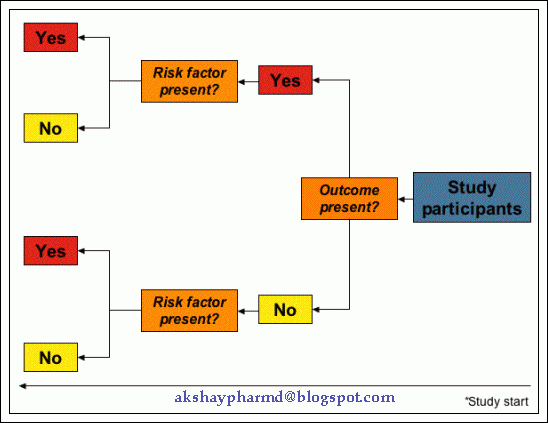
A typical RCT that represents the flow of participants from the start of the study through the study outcome. Notice in all diagrams the study start; studies progressing from left to right represent prospective studies, “collecting data about a population whose outcome lies in the future”.
Frequently RCTs are used to measure the effectiveness of a particular therapy, especially drug therapy.
Cohort studies
A cohort study is an observational, prospective or retrospective study. A cohort study "involves identification of two groups (cohorts) of patients, one that received the exposure of interest, and one that did not, and following these cohorts forward for the outcome of interest."
While at first glance a cohort study looks similar to a RCT, it differs in one very significant way: the researchers do not assign the exposure or randomize the groups in any way. RCTs are experimental, while cohort studies are observational.
Cohort studies may be prospective or retrospective. Retrospective studies “begin and end in the present but involve a major backward glance to collect information about events that occurred in the past.”
Case-control studies
A case-control study is an observational, retrospective study which "involves identifying patients who have the outcome of interest (cases) and control patients without the same outcome, and looking back to see if they had the exposure of interest."
Retrospective case-control studies rely on people’s memories, making them prone to error. Also, it may be difficult to measure the exact amount of an exposure in the past. This method is inexact at best.
Case series
A case series is a descriptive report "on a series of patients with an outcome of interest. No control group is involved.”
Case series provide the weakest evidence of the study types examined so far, since they describe a relatively small number of patients and no experimental manipulation is involved. Case reports are simply descriptive reports of single patients. However, these study designs should not be ignored; case series and case reports often are used to introduce practitioners to unusual and rare conditions, or to point out “exceptions to the rule”. Furthermore, they are often the basis for future research using strong evidence study designs.
by
Akshaya Srikanth,
Pharm.D Internee,
FIP-YPG Associate,
Hyderabad, India